
Imagine cruising effortlessly on the highway, your hands off the wheel, and your mind at ease. Autonomous vehicles promise this seamless experience, but your first thought might be about safety.
Are these high-tech cars really safe? That’s where autonomous vehicle safety ratings come into play. These ratings are your go-to guide for understanding just how safe these futuristic vehicles are for you and your loved ones. As you dive deeper into this topic, you’ll uncover the secrets behind these ratings and learn how they impact your decision-making.
Keep reading to discover everything you need to know about staying safe in the driverless era.
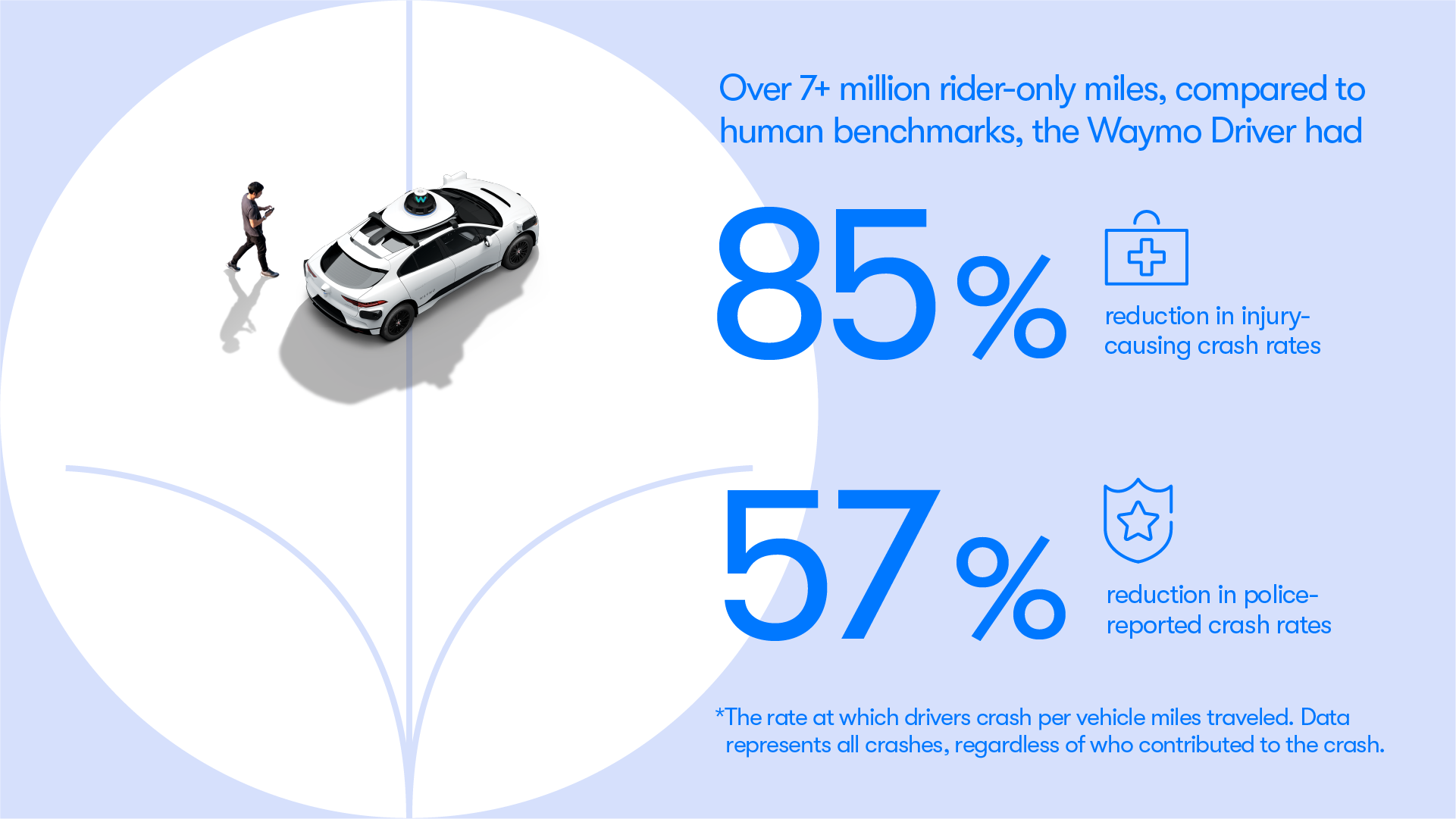
Importance Of Safety Ratings
Safety ratings help us trust autonomous vehicles. These ratings show if a car is safe. They are like a report card for cars. A high rating means the car is safer. This is important for families. Everyone wants to feel safe on the road.
Experts test the cars to give these ratings. They check many things. Brakes, cameras, and sensors are tested. Each part must work well. If they do, the car gets a better score. This helps buyers choose a safe car.
Governments use these ratings too. They make rules based on them. High safety ratings mean fewer accidents. This keeps roads safer for everyone.
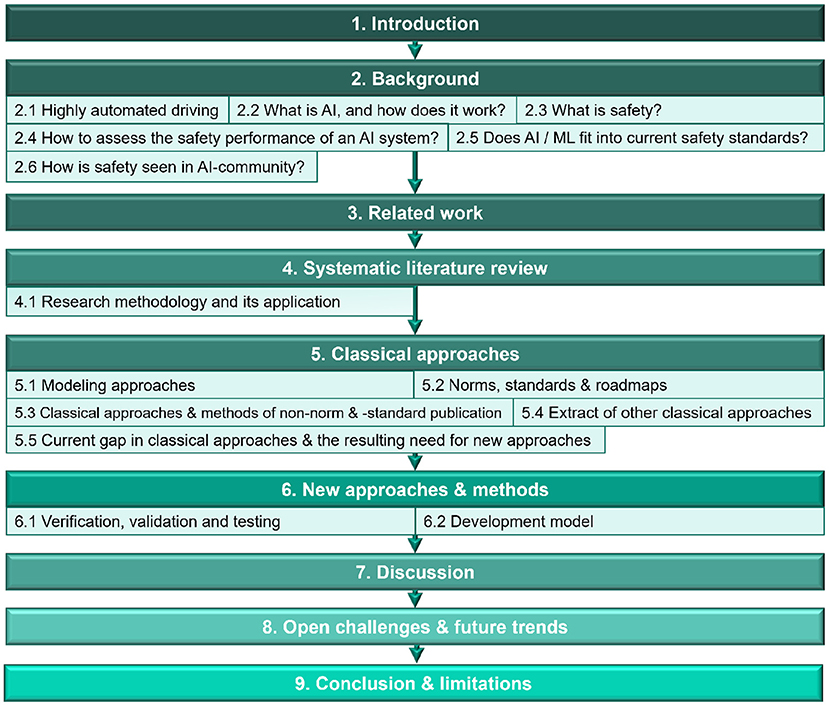
Current Rating Systems
Government rules help keep cars safe. They test cars to see how they work. Safety tests look at braking, steering, and crash protection. These tests help protect people. Rules make sure cars follow safety laws. Standards help keep everyone safe on the road. Cars must pass these tests to be on the road. This helps people trust autonomous vehicles more.
Car companies have their own tests. They look at how safe a car is. These tests check the technology inside. Benchmarks compare different cars. They see which cars are safer. Companies work hard to meet these benchmarks. They want to make the safest cars. People feel safer with good safety ratings. It helps them choose the best car.
Factors Affecting Safety Ratings
Sensors are the eyes of the car. They help the vehicle see the world. Cameras capture images around the vehicle. Radar measures distances to objects. Lidar creates 3D maps of surroundings. Better sensors mean safer cars. Sensors must work in all weather. Sensors should not fail in rain or fog. Good sensor technology boosts safety ratings.
Software is the brain of the car. It makes decisions and controls actions. Reliable software ensures safe trips. Software must be tested thoroughly. Bugs can cause accidents. Updates keep software safe and sound. Reliable software is crucial for safety ratings. It must handle complex situations without error.
Interaction between humans and vehicles is vital. Drivers must understand the car’s signals. Clear communication helps in emergencies. Intuitive controls ease driving. The car should alert when danger is near. Human-vehicle interaction affects safety ratings. Good interaction reduces confusion and accidents.
Challenges In Safety Assessment
Testing autonomous vehicles is hard. It needs a safe space. Real roads can be dangerous. Simulated environments help a lot. They mimic real-world conditions. Weather changes, like rain or snow. Many cars around, traffic jams too. These tests must be very detailed. Each scenario needs checking. Safety is top priority. The aim is zero accidents.
Data is collected from many places. Cars have sensors. They watch and listen. Data tells how cars behave. Cameras see the road. Radars find nearby objects. Lidar creates a map. Data helps improve car safety. It is collected every second. Each piece is important. Collected data makes cars smarter. Analyzing data makes them safer.
Role Of Regulatory Bodies
National agencies make rules for autonomous vehicles. They test the cars for safety. Safety ratings help people choose safe cars. Agencies work with car makers. They ensure cars follow the rules. Testing is key to safety. Agencies watch over this process. They update rules when needed. Safety standards protect all drivers.
Countries work together for vehicle safety. They share ideas and best practices. This helps make better rules. Cooperation improves safety worldwide. Shared knowledge helps all nations. Joint efforts lead to better cars. Countries aim for global safety standards. Working together is important for progress. It makes roads safer everywhere.
Impact On Consumer Trust
People feel safer with good safety ratings. A high safety score builds trust. Consumers want to feel secure in autonomous vehicles. Reports and ratings help with this. They show how safe a car is. Parents worry about their kids’ safety. High ratings can ease these worries. They prefer cars with proven safety records.
The market changes with safety ratings. Companies with better scores sell more cars. Consumers check ratings before buying. A good score can boost sales. It also affects brand loyalty. People stick to brands they trust. Low safety ratings can hurt sales. Brands must work hard to improve them. Safety is key in the car market.
Future Of Safety Ratings
Smart sensors help cars see the world. They can detect other cars and people. These sensors keep cars safe. AI makes decisions fast. It helps avoid crashes. Maps guide the cars. They show the safest routes. Cars use cameras to read road signs. This helps them follow rules.
Software updates improve car safety. They fix problems quickly. New technology makes cars safer each year. Engineers work hard to design safe cars. Their goal? Keep everyone safe on the road.
Governments make rules for self-driving cars. These rules keep roads safe. Testing is important before cars hit the streets. It ensures they work well. Safety standards are set high. Cars must pass these tests.
Laws protect people and cars. They make sure cars are safe to use. Experts study data from car tests. They learn what works best. Policymakers listen to these experts. They aim to improve road safety.
Frequently Asked Questions
What Factors Influence Autonomous Vehicle Safety Ratings?
Autonomous vehicle safety ratings depend on several factors. These include technology reliability, performance in varied conditions, and crash test results. Regulatory compliance and real-world testing also impact ratings. Manufacturers must ensure comprehensive safety features to achieve high ratings.
How Are Autonomous Vehicle Safety Ratings Determined?
Safety ratings for autonomous vehicles are determined through rigorous testing. They evaluate the vehicle’s ability to avoid collisions and protect passengers. Independent agencies conduct assessments based on established criteria. These include emergency braking, lane keeping, and crash avoidance capabilities.
Are Autonomous Vehicles Safer Than Traditional Cars?
Autonomous vehicles offer advanced safety features compared to traditional cars. They use sensors and AI to minimize human error. Studies show they reduce accidents caused by distracted driving. However, technology limitations and ethical concerns remain. Continuous improvements are needed to ensure consistent safety.
What Role Do Sensors Play In Safety Ratings?
Sensors are crucial for autonomous vehicle safety. They detect obstacles, pedestrians, and road conditions. Accurate sensor data improves decision-making and navigation. High-quality sensors contribute to better safety ratings. They help vehicles respond effectively to dynamic environments, ensuring passenger safety.
Conclusion
Autonomous vehicle safety ratings matter a lot. They help ensure driver safety. Companies strive to improve these ratings. Better ratings mean safer roads for everyone. Trust in these vehicles grows with higher ratings. Consumers feel more confident in their choices.
The technology behind autonomous cars is advancing fast. Safety must keep pace with this progress. Ratings provide a benchmark for this growth. Always prioritize safety when considering autonomous vehicles. Stay informed and make smart decisions. Safe travels on the road ahead!
Read More:
- Reusable Rocket Innovation News: Revolutionizing Space Travel
- Neurotechnology Startups Funding: Unlocking Innovation Potential
- Best EV Charging Networks USA: Top Picks for 2025
- Snapdragon Vs Mediatek Comparison: Ultimate Processor Showdown
- Elon Musk Neuralink Update: Revolutionizing Brain Technology
- Remote Work Productivity Analytics: Boost Efficiency Now
- Edge Computing Trends 2025: Revolutionizing Tomorrow
- Over-Ear Vs In-Ear Headphones: Which is Best?

