
Are you curious about the latest developments in brain-computer interfaces? You’re not alone.
This cutting-edge technology is transforming how we interact with the world around us. Imagine controlling devices with just your thoughts or enhancing your cognitive abilities in ways you never thought possible. We’ll dive into the most exciting news and breakthroughs in the brain-computer interface field.
Stay with us to discover how these innovations could change your life and the lives of millions. Don’t miss out on the future—let’s explore what’s happening right now!
Advancements In Neural Signal Processing
Recent advancements in neural signal processing are exciting. Scientists focus on better ways to read brain signals. This helps in understanding thoughts and feelings. New tools make it easier to capture these signals.
Techniques like machine learning improve how we interpret brain data. This means faster and more accurate readings. Researchers work on reducing noise in the signals. Clearer signals lead to better results.
Many companies and universities are joining this field. They aim to create useful products. These might help people with disabilities. Others could use them for gaming or communication. The future looks bright for brain-computer interfaces.
Non-invasive Interfaces On The Rise
Non-invasive brain-computer interfaces are gaining popularity. They do not need surgery. This makes them safer and easier to use. More people can try them without risks.
These interfaces read brain signals through the skin. They help in many ways. For example, they can assist people with disabilities. They can also improve gaming experiences.
Many companies are investing in this technology. Research is growing quickly. New products are coming out every year. This trend shows that interest in non-invasive interfaces is strong.
Ai Integration With Brain Signals
AI works with brain signals. This helps us understand thoughts better. People can control devices using only their minds. It feels like magic but is real science.
Using AI with brain signals has many benefits:
- Improves communicationfor people with disabilities.
- Enhances gamingexperiences.
- Helps in medical treatments.
Researchers study how to connect AI to brain signals. They hope to create tools for daily life. This might change how we interact with technology.
Exciting news is coming from labs worldwide. Each discovery brings us closer to a new future.
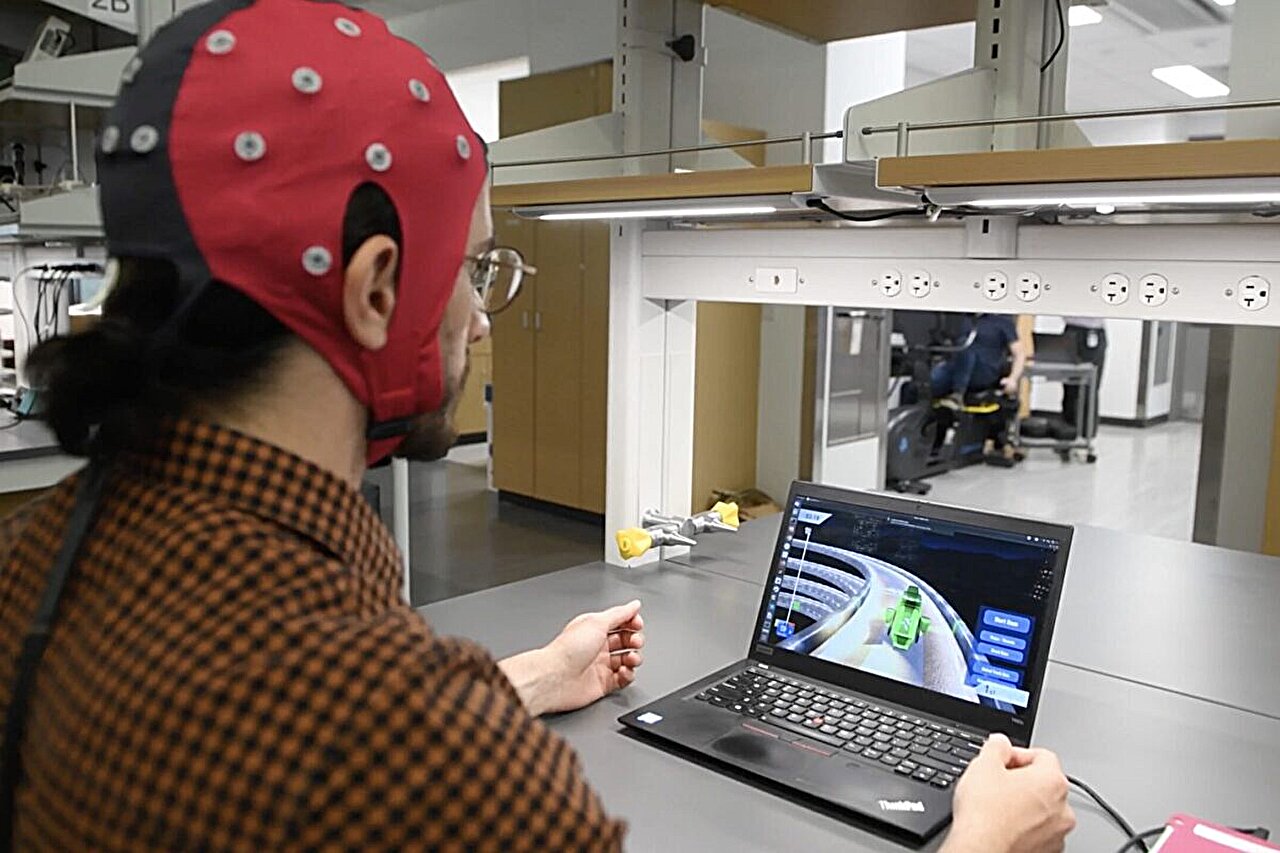
Breakthroughs In Medical Applications
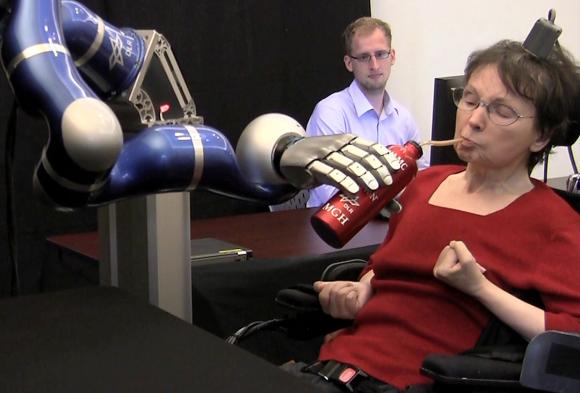
Brain-computer interfaces (BCIs) help restore mobility for patients with paralysis. These devices can read brain signals. They translate thoughts into actions. Patients can control their limbs again.
BCIs also help in treating neurological disorders. They can aid in rehabilitation after strokes. By stimulating the brain, BCIs improve movement and coordination. This technology is making great strides in medical care.
Expanding Applications Beyond Healthcare
Brain-computer interfaces (BCIs) are changing gaming. Players can control games with their thoughts. This gives players a new way to enjoy their favorite games.
Using BCIs, players feel more connected. It creates a deeper experience. They can react faster and play better.
Mind-controlled devices help with work too. They boost productivity. Simple tasks can be done just by thinking.
This technology helps people stay focused. It can reduce distractions. More people will use it in daily life.
Challenges In Brain-computer Interface Development
Many people worry about ethical concerns with brain-computer interfaces. These concerns include privacy issues. Who will control the data? How safe is it? These questions need clear answers.
Technical barriers are also a big problem. Making devices that connect to the brain is hard. They must be safe and effective. There are risks of injury or malfunction. These can lead to serious issues.
Safety barriers include ensuring devices do not harm users. Testing is very important. Many tests are needed before devices can be used by people. This process can take a long time.
Future Trends In Brain-computer Technology
Brain-computer interfaces (BCIs) are changing many fields. They help people control devices with their thoughts. This technology is moving fast.
New trends include:
- Wearable devices:Small gadgets that connect to the brain.
- Improved connections:Faster and clearer signals.
- Healthcare use:Helping doctors treat patients better.
- Gaming:Making games more interactive.
More research will come. Scientists study brain signals closely. They want to make BCIs easier to use. The future looks bright for this technology.

Frequently Asked Questions
What Is A Brain-computer Interface (bci)?
A brain-computer interface (BCI) is a technology that establishes a direct communication pathway between the brain and external devices. BCIs can help individuals with disabilities control computers or prosthetics using their thoughts. Recent advancements in this field aim to enhance user experience and improve accessibility.
How Are Bcis Being Used Today?
Today, BCIs are primarily used in medical applications, such as assisting individuals with paralysis or neurological disorders. They enable users to control devices like wheelchairs, computers, and even robotic limbs. Research is expanding into entertainment, gaming, and cognitive enhancement, showing promising potential in various industries.
What Are The Latest Bci Advancements?
Recent advancements include improved signal processing techniques and miniaturized devices that enhance brain signal interpretation. Researchers are also exploring non-invasive methods, making BCIs more accessible and user-friendly. These developments aim to create more intuitive interfaces and broaden applications in daily life and professional settings.
Are Bcis Safe For Users?
Current research suggests that BCIs are generally safe, especially non-invasive options. While risks exist, such as infection or device malfunction, ongoing studies prioritize user safety. Regulatory bodies are also developing guidelines to ensure that BCIs meet safety standards before widespread use.
Conclusion
Brain-computer interfaces are changing how we connect with technology. New updates show promise in healthcare, gaming, and communication. Researchers are working hard to solve challenges. Each breakthrough brings us closer to exciting possibilities. Understanding these developments helps everyone stay informed.
Stay curious about how these interfaces evolve. The future looks bright as we learn more. Keep an eye on this field, as it holds great potential for all of us.
Read More:
- Reusable Rocket Innovation News: Revolutionizing Space Travel
- Neurotechnology Startups Funding: Unlocking Innovation Potential
- Best EV Charging Networks USA: Top Picks for 2025
- Snapdragon Vs Mediatek Comparison: Ultimate Processor Showdown
- Elon Musk Neuralink Update: Revolutionizing Brain Technology
- Remote Work Productivity Analytics: Boost Efficiency Now
- Edge Computing Trends 2025: Revolutionizing Tomorrow
- Over-Ear Vs In-Ear Headphones: Which is Best?

