
Imagine a world where your smartphone is faster, your smart home devices are smarter, and your online experiences are smoother. That’s the promise of edge computing.
As we look ahead to 2025, edge computing is set to revolutionize the way you interact with technology. But what exactly are the trends shaping this exciting future? How will they impact your daily life and your business? You’re about to discover the key developments that could transform everything from personal gadgets to global industries.
Stay with us to explore these trends, and find out how you can stay ahead in this rapidly evolving tech landscape. Your future in the digital world might just depend on it.
Rise Of Edge Computing
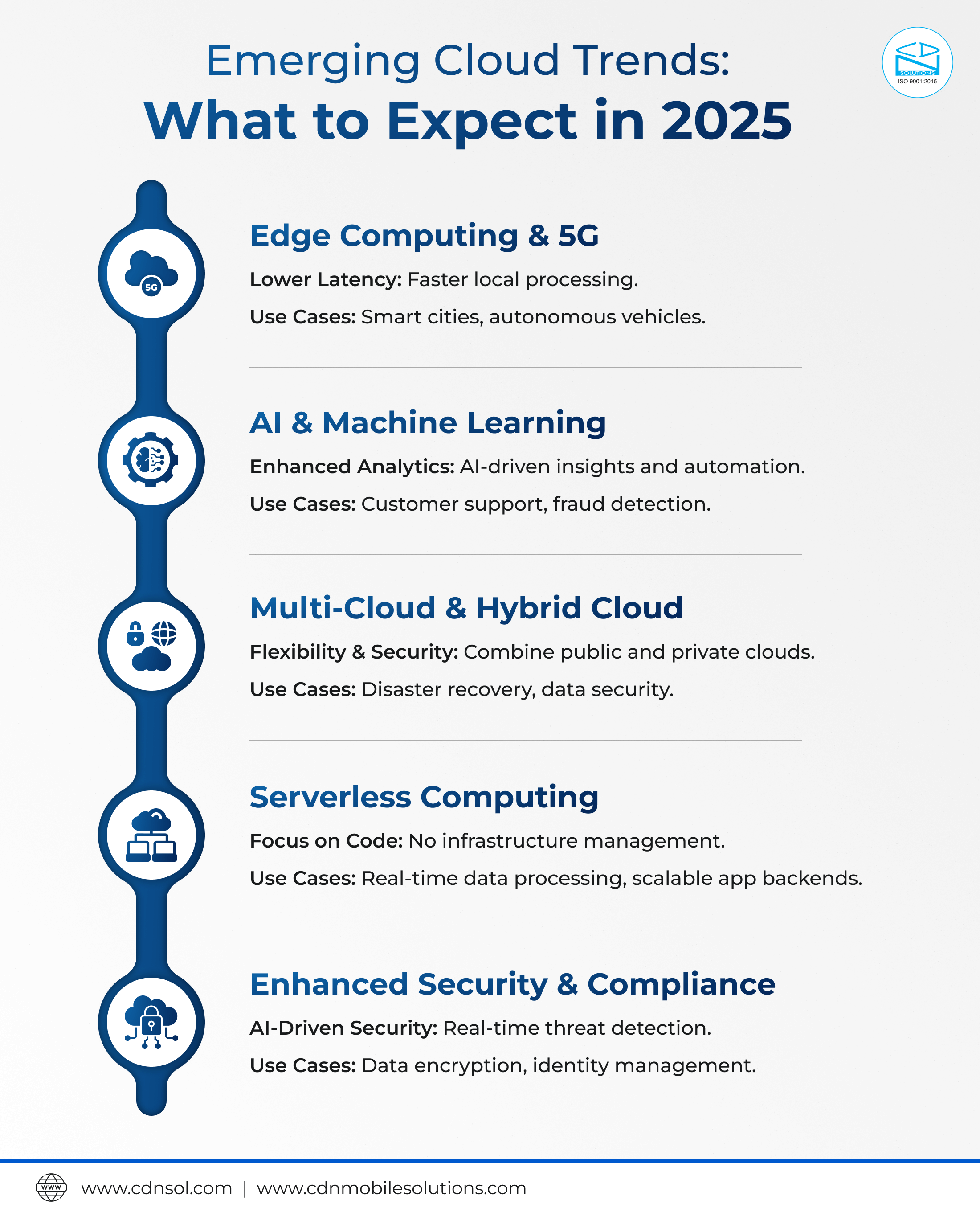
Edge computing is growing fast. Devices process data closer to the source. This means faster results and less delay. Your smart fridge can make quick decisions. Your phone becomes even smarter. Edge technology helps cars drive by themselves. They react fast to changes around them. This makes roads safer.
Factories use edge computing too. Machines talk to each other and work better. Energy use goes down. Costs go down too. The world becomes more efficient. Edge computing is a part of our daily lives now. It changes how we live and work.
Key Drivers Of Growth
IoT devices are growing fast. Smart homes and cities are using them more. They connect things like lights, cars, and fridges. Each device needs quick data processing. Edge computing helps by moving data close to the device. This makes things work faster and with less delay.
5G networks are rolling out globally. They bring higher speeds and better connectivity. This is great for edge computing. Data can travel quicker and more reliable. Real-time applications like gaming and AR benefit from this. 5G and edge work well together.
Artificial Intelligence is improving quickly. It needs fast data processing. Edge computing offers local processing for AI tasks. This means quicker results and more efficient operations. AI in edge devices can help with personalized services. This makes smart decisions possible.
Industry-specific Applications
Edge computinghelps doctors access patient data fast. This means quicker diagnosis. Medical devices collect data on the spot. They send data to doctors without delay. This improves patient care. It also reduces wait times. Hospitals can manage resources better. Patients feel safer. The technology supports remote monitoring. Doctors can watch patients from far away. This is useful in emergencies.
Factories use edge computingto improve production. Machines talk to each other. They share data instantly. This makes factories run smoothly. It cuts down on waste. Sensors track equipment health. They alert workers if something goes wrong. This prevents breakdowns. It saves money. Workers can focus on important tasks. Automation becomes smarter and more efficient.
Retail storesuse edge computing to enhance shopping. Digital signs update quickly. They show the latest deals. Inventory is tracked in real-time. This helps stores keep shelves stocked. Customers find what they need easily. Checkout lines move faster. Smart cameras watch for theft. They keep stores safe. Shoppers enjoy a better experience. Stores get to know customers better.
Technological Innovations
Edge AI makes devices smart. Devices think and act fast. No waiting for the cloud. Cars can drive themselves. Smart homes know what you need. Doctors can get quick health data. This helps in saving lives. Edge AI uses less power. Saves money too. It learns from the environment. Gets better over time.
Distributed Cloud spreads data over many places. Makes computing faster. Your data stays close to you. This makes it safer. Helps in quick data processing. Good for businesses. They can reach more customers. More people use apps without delay. It reduces downtime. Increases reliability.
Security is crucial in edge computing. Data needs to be safe. Hackers can’t get in easily. Stronger passwords help. Regular updates keep systems secure. Devices can alert you of threats. This protects important information. Encryption makes data hard to read by others. More safety for users.
Challenges And Solutions
Data privacy is a big worry. More devices mean more data. Keeping this data safe is hard. Hackers try to steal it. Encryption helps keep data safe. It makes data hard to read. Only those with the key can read it. Security must be strong. Everyone should care about safety.
Edge computing grows fast. It needs to handle more data. Scalability is the answer. Systems must grow with demand. Cloud helps with this. It offers more space. Smart planning is needed. Growth should be smooth. No delays or crashes.
Devices must talk to each other. Interoperability is key. Standards help devices work together. Without standards, communication fails. Compatibility is important. Devices from different makers must sync. Efforts are needed for better standards. Everyone benefits when devices connect well.
Future Prospects
Edge computing opens doors for innovative business models. Companies can offer real-time data services at the edge. This means faster and more efficient services. Local data processing reduces the need for central servers. Businesses save on costs and improve speed. Smart cities can use edge for better traffic management. More personalized services emerge in healthcare and retail.
Edge computing helps reduce energy consumption. Processing data locally means less data travel. Carbon footprint decreases with fewer large data centers. Renewable energy sources can power edge devices. This makes them eco-friendly. Efficient data management supports green initiatives. Edge computing promotes sustainable technology practices.
Edge computing is growing worldwide. More countries see its benefits. Local processing improves internet speed in remote areas. Global companies invest in edge infrastructure. This means better services for users everywhere. Collaboration between nations boosts technology growth. Edge computing bridges the digital divide.

Frequently Asked Questions
What Is Edge Computing In 2025?
Edge computing in 2025 focuses on processing data closer to its source. This reduces latency and bandwidth use, enhancing real-time decision-making. As IoT and 5G expand, edge computing will become crucial for fast, efficient processing. It supports applications like autonomous vehicles and smart cities.
How Does Edge Computing Benefit Businesses?
Edge computing offers businesses faster data processing and improved security. By localizing data processing, it reduces latency and enhances real-time analytics. This leads to better customer experiences and operational efficiency. Additionally, it lowers costs by minimizing data transfer to centralized cloud systems.
Are There Security Concerns With Edge Computing?
Yes, edge computing presents unique security challenges. Distributed data points can increase vulnerabilities. However, implementing robust security protocols mitigates risks. Encryption, authentication, and regular updates are essential. Businesses must prioritize security to protect sensitive data at the edge.
How Does Edge Computing Impact Iot Devices?
Edge computing optimizes IoT performance by processing data locally. This reduces latency and improves response times. It allows IoT devices to operate efficiently without relying on cloud data centers. As IoT expands, edge computing will be vital for real-time analytics and decision-making.
Conclusion
Edge computing is shaping the future of technology. By 2025, it will be more integrated into daily life. Industries will benefit from faster data processing. This trend enhances efficiency and decision-making. Businesses will adopt edge computing for competitive advantage. It will support the growth of IoT devices.
Security and privacy will also improve. As technology evolves, staying informed is crucial. Embrace these changes to stay ahead. Understanding trends helps in adapting strategies. Edge computing holds significant potential for innovation. It promises a smarter, connected world. Stay engaged with advancements to fully harness its benefits.
Read More:
- Reusable Rocket Innovation News: Revolutionizing Space Travel
- Neurotechnology Startups Funding: Unlocking Innovation Potential
- Best EV Charging Networks USA: Top Picks for 2025
- Snapdragon Vs Mediatek Comparison: Ultimate Processor Showdown
- Elon Musk Neuralink Update: Revolutionizing Brain Technology
- Remote Work Productivity Analytics: Boost Efficiency Now
- Over-Ear Vs In-Ear Headphones: Which is Best?
- Smart Thermostat Comparison: Ultimate Buyers Guide

