
Elon Musk’s Neuralink is making headlines again, and you won’t want to miss what’s happening. This groundbreaking company is pushing the boundaries of brain-computer interface technology, aiming to revolutionize how we interact with machines.
Imagine a future where you could control devices with just your thoughts! Intrigued? You should be. In this update, we’ll dive into the latest developments, what they mean for you, and how they could change your life. Stay tuned to uncover the exciting possibilities that Neuralink is bringing to the table!
Neuralink’s Mission
Neuralink aims to connect the human brain with computers. This can help treat brain diseases. It can also improve communication for people with disabilities. The focus is on safety and effectiveness in brain surgery.
Neuralink is developing tiny implants. These implants can read brain signals. They may help people control devices using their thoughts. Research is ongoing to test these implants.
Building a better future is the goal. Neuralink wants to help many people. The mission is clear: better health through technology.
How Neuralink Works
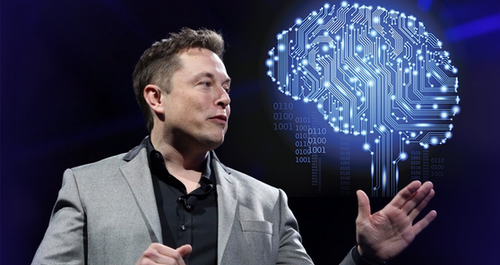
Neuralinkcreates a link between the brain and computers. This is called a Brain-Computer Interface(BCI). It helps people control devices with their thoughts. The brain sends signals through neurons. Neuralink reads these signals and translates them.
Neural Threadsare tiny wires. They connect to brain cells. These threads pick up brain signals. They send the signals to a computer. This way, the computer can understand what the brain wants.
Wireless communicationis important for Neuralink. It means no wires are needed to connect. This helps make the system easier to use. The brain can send signals freely without being tied down. It allows for more natural movement.
Key Updates On Neuralink
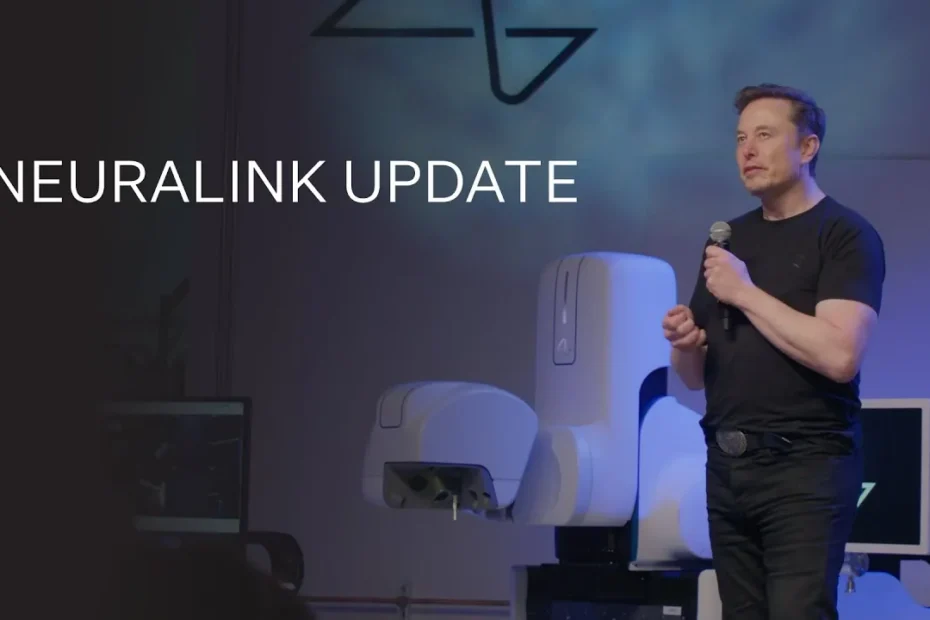
Neuralink has made important progress recently. The company finished key animal trials. These trials show how the device works in real life. Results are promising. The technology is getting better and safer.
Neuralink is preparing for human trials soon. They aim to begin these trials within the next few months. This step is crucial for testing the device in people. Safety and effectiveness are top priorities.
Overall, Neuralink is moving forward. The journey to help those with brain injuries or disabilities continues. Many are watching these updates closely.
Potential Applications
Neuralinkaims to improve medical treatments. It may help restore neural functions. This could assist people with injuries. For example, spinal cord injuries can affect movement. Neuralink may help regain control.
Another area is brain diseases. Conditions like Parkinson’sand Alzheimer’saffect many lives. Neuralink could lead to new therapies. These therapies might help manage symptoms.
Beyond medicine, Neuralink looks at enhancing human capabilities. This means improving memory and learning. Imagine better focus and understanding. This can change daily life.
Ethical And Safety Concerns
Privacyand data securityare big worries with brain implants. People fear their thoughts might be stolen. Protecting personal information is very important.
Brain implants can have many risks. These include infections and device failures. Some people might feel uncomfortable with the idea of surgery.
Many are scepticalabout these technologies. Questions about safety and ethics arise. Trust must be built between companies and the public.
Clear communication is essential. People need to know how their data is used. Open discussions can help ease worries.
The Future Of Brain Technology
Neuralinkis working on linking our brains with AI. This can help us think faster and remember more. Imagine being able to learn new things quickly.
With this technology, we can expand human potential. People can improve their skills and abilities. This could change how we work and play.
The global implications are huge. Countries may use this tech in different ways. It might help in medicine, education, and even communication.
As we move forward, safety and ethics must be considered. Balancing progress with care is essential for everyone.

Frequently Asked Questions
What Is Neuralink’s Main Goal?
Neuralink aims to develop advanced brain-machine interfaces. The goal is to enable direct communication between the brain and computers. This technology could help treat neurological conditions and enhance cognitive abilities. Ultimately, Neuralink seeks to merge human intelligence with artificial intelligence for improved human capabilities.
How Does Neuralink Work?
Neuralink uses tiny electrodes implanted in the brain. These electrodes can read and transmit neural signals. The data is processed by a computer, allowing users to control devices with their thoughts. This technology could revolutionize how we interact with machines and improve quality of life for those with disabilities.
What Are The Latest Neuralink Developments?
Recent updates include successful animal trials demonstrating the technology’s potential. Neuralink has showcased its ability to enable pigs to control devices using their thoughts. The company is also working on regulatory approval for human trials. This progress signals a significant step toward practical applications of brain-machine interfaces.
When Will Neuralink Start Human Trials?
Neuralink aims to begin human trials in the near future, possibly within the next year. The timeline depends on regulatory approvals and safety assessments. The company is focused on ensuring the technology is safe and effective for human use. Updates will be provided as progress is made.
Conclusion
Neuralink continues to push the boundaries of technology. Updates show progress in brain-computer interface development. This could change how we interact with machines. Elon Musk’s vision aims to help those with disabilities. Future trials may bring exciting advancements. Keeping an eye on these updates is essential.
They may lead to breakthroughs in medicine and communication. Stay informed about Neuralink’s journey. It’s a fascinating area to watch. The future holds many possibilities.
Read More:
- Reusable Rocket Innovation News: Revolutionizing Space Travel
- Neurotechnology Startups Funding: Unlocking Innovation Potential
- Best EV Charging Networks USA: Top Picks for 2025
- Snapdragon Vs Mediatek Comparison: Ultimate Processor Showdown
- Remote Work Productivity Analytics: Boost Efficiency Now
- Edge Computing Trends 2025: Revolutionizing Tomorrow
- Over-Ear Vs In-Ear Headphones: Which is Best?
- Smart Thermostat Comparison: Ultimate Buyers Guide

