
Choosing the right headphones can be a game-changer for your audio experience. Whether you’re an avid music lover, a podcast enthusiast, or someone who simply enjoys immersive sound, the decision between over-ear and in-ear headphones is crucial.
You might find yourself pondering, “Which type is right for me? ” The answer depends on your lifestyle, preferences, and listening habits. We’re diving deep into the world of headphones to help you make an informed choice. We’ll explore the benefits and drawbacks of each style, so you can discover which one aligns perfectly with your needs.
By the end, you’ll have a clear understanding of which headphones will elevate your listening experience. Ready to uncover the secrets behind the perfect pair? Let’s get started!
Comfort And Fit
Over-ear headphones cover the whole ear. They are often soft and cushioned. In-ear headphones fit inside the ear canal. They are small and portable. Ear shape matters a lot. Some people have small ears. Others have big ears. This affects comfort. Choose wisely.
Over-ear headphones can press on the head. This might cause discomfort. In-ear headphones can press inside the ear. They might feel tight. Both can cause pressure. But it’s different for everyone. Try both types to see which feels better.
Over-ear headphones often have adjustable bands. This helps fit different head sizes. In-ear headphones usually have different tip sizes. These tips help them fit better. Adjustability is important. It makes headphones more comfortable.

Sound Quality
Over-ear headphonesoften have a better bass. They use larger drivers. This means deeper bass sounds. In-ear headphonescan lack deep bass. They are small and light. They fit inside your ear. But, some models have enhanced bass. So, they might sound good too.
Over-ear headphones cover your ears fully. This helps block out noise. They are good for noisy places. In-ear headphones sit inside your ear canal. They can block some noise too. But, they might not be as effective. It depends on the fit. A tight fit is key.
The soundstage is how music feels around you. Over-ear headphones usually have a wide soundstage. They create a big, open sound. It feels like a concert. In-ear headphones have a smaller soundstage. Music may feel closer to you. This can be intimate or narrow.
Portability
Weight Considerationsmatter for headphones. Over-ear headphones are often heavier. They can be bulky and large. In-ear headphones are small and light. They easily fit in your pocket. Weight is important for travel.
Storage Optionsare different for each type. Over-ear headphones need more space. They often come with cases. In-ear headphones fit in tiny bags. Their small size makes storage easy.
Travel Friendlinessis key for many users. Over-ear headphones might be less travel-friendly. They can take up space in bags. In-ear headphones are easy to pack. They slide into pockets or small pouches. Perfect for on-the-go listening.

Durability And Build
Over-ear headphones often use strong plastic or metal parts. These materials make them sturdy and long-lasting. In-ear headphones usually use light plastic. This makes them easy to carry but can break more easily. Choose based on how careful you are with your things.
Water resistance is important for headphones used in exercise. Over-ear headphones might resist sweat but not water. In-ear models often have better water resistance. Some are even designed for sports. Always check the rating for how much water they can handle.
Longevity depends on usage and care. Over-ear models last longer with proper care. In-ear ones might need replacing sooner. Keeping them clean and dry helps a lot. Consider how often you use them.
Health And Safety
Over-ear headphones cover the whole ear. This can protect ears from loud sounds. In-ear headphones go inside the ear canal. Ear canals can get irritated. Wax buildup is a concern. Over-ear may feel more comfortable for long use.
Listening too loud can harm ears. Volume control is important. Over-ear headphones can block outside noise. This means lower volume is needed. In-ear headphones might need higher volume. Noise isolation is key for safe listening.
Long use of headphones can cause issues. Ear fatigue is common. Over-ear headphones can be heavy. They may cause discomfort. In-ear headphones are light but can irritate. Taking breaks helps prevent problems. Choose headphones wisely for long use.
Cost Factors
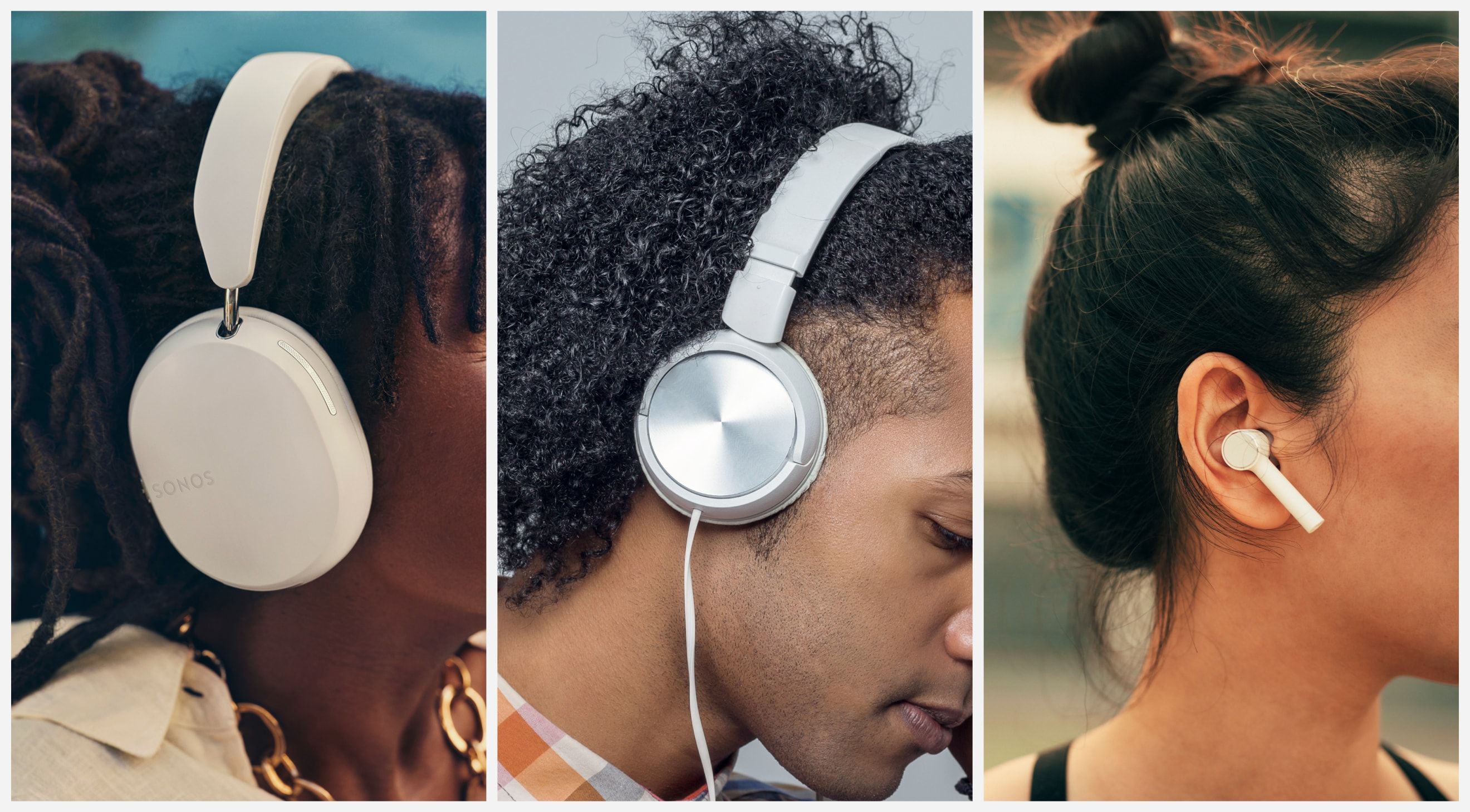
Over-ear headphonesoften cost more than in-ear headphones. They have bigger parts and better sound. In-ear headphonesare smaller, so they can be cheaper. You can find both types in many price ranges.
Getting good value is key. Over-ear modelsmight give you more comfort. In-ear modelsare portable and easy to carry. Both offer good value at different price points. Choose based on your needs and budget.
Some headphones have extra features. These can include noise-cancelingor wirelessoptions. Extra features often mean a higher cost. Think about which features matter most to you. Sometimes simple is best for saving money.
Usage Scenarios
For a daily commute, in-ear headphones are often the best choice. They are small and fit easily in pockets or bags. This makes them great for buses or trains. Noise cancellation is a plus in crowded places. Over-ear headphones might be bulky. But they offer better sound quality. They can be comfortable for longer travels too.
In a professional setting, over-ear headphones are usually preferred. They offer high sound quality and comfort. This is important for long hours. In-ear headphones are less visible. They are good for quick meetings or calls. Over-ear types are better for focus and blocking distractions.
For fitness and sports, in-ear headphones are often ideal. They stay in place during workouts. Sweat-resistant models are available. Over-ear headphones might be too heavy. They can slip off during intense exercise. In-ear types are also easy to clean after use.
Aesthetic Considerations
Over-ear headphonesoften look big and bold. They can make a style statement. Their size can be appealing to some people. In-ear headphonesare small and sleek. They are less noticeable. Some people prefer their simple look. Both types have unique designs. Choose what you like best.
Over-ear headphones come in many colors. Bright red, cool blue, or simple black. You can find your favorite shade. In-ear headphones also offer color choices. Clear white, shiny silver, or even pink. Pick a color that suits your mood. Both types give you choices.
Each person has a favorite brand. Some love Bosefor its quality. Others prefer Applefor its design. Beatsis popular for its style. There are many brands to explore. Pick a brand you trust and love.
Frequently Asked Questions
What Are The Benefits Of Over-ear Headphones?
Over-ear headphones provide superior sound quality and comfort for extended listening. They offer better noise isolation, enhancing the audio experience. The larger drivers produce richer sound, making them ideal for music lovers. Over-ear models are perfect for home or office use, offering an immersive experience.
Are In-ear Headphones Better For Sports?
Yes, in-ear headphones are better suited for sports activities. They are lightweight and portable, making them easy to carry. Their snug fit ensures they stay in place during workouts. Many models are sweat-resistant, making them perfect for gym sessions or running.
Do Over-ear Headphones Cause Ear Fatigue?
Over-ear headphones are generally comfortable for long listening sessions. However, wearing them too long at high volumes can cause ear fatigue. It’s important to take breaks and listen at moderate volumes. Choosing a well-cushioned model can also reduce pressure on the ears.
Is Noise Cancellation Better In Over-ear Headphones?
Yes, over-ear headphones typically offer superior noise cancellation. Their design covers the entire ear, blocking out external noise effectively. Many models have active noise-cancelling technology, enhancing the listening experience in noisy environments. This makes them ideal for travel or work in busy places.
Conclusion
Choosing between over-ear and in-ear headphones depends on personal needs. Over-ear headphones offer comfort and immersive sound. Great for long listening sessions. In-ear headphones are portable and discreet. Ideal for active lifestyles. Consider sound quality, comfort, and use. Also think about your budget.
Both types have unique advantages. Decide what fits your lifestyle best. Check various brands and models. Read reviews and try them if possible. The right choice enhances your audio experience. Enjoy your music with the perfect pair.
Read More:
- Reusable Rocket Innovation News: Revolutionizing Space Travel
- Neurotechnology Startups Funding: Unlocking Innovation Potential
- Best EV Charging Networks USA: Top Picks for 2025
- Snapdragon Vs Mediatek Comparison: Ultimate Processor Showdown
- Elon Musk Neuralink Update: Revolutionizing Brain Technology
- Remote Work Productivity Analytics: Boost Efficiency Now
- Edge Computing Trends 2025: Revolutionizing Tomorrow
- Smart Thermostat Comparison: Ultimate Buyers Guide

