
Are you struggling to keep track of your productivity while working remotely? You’re not alone.
As remote work becomes the norm, understanding how to measure and improve productivity is crucial. Remote work productivity analytics can be your secret weapon. Imagine knowing exactly where your time goes, identifying patterns in your work habits, and pinpointing areas for improvement.
This isn’t just about crunching numbers—it’s about empowering yourself to work smarter, not harder. Dive into this article to discover how leveraging analytics can transform your remote work experience, boost your efficiency, and give you back control over your workday.

Remote Work Landscape
Remote work is growing fast. Many people work from home now. Companies use new tools to help workers. These tools make work easier. Video calls are very common. People also chat online a lot. Flexible hours are important too. Workers can choose when to work. This helps them balance life and work. More jobs are remote today. This trend is strong and keeps growing.
Remote work has many benefits. It saves time. No need to travel to work. Workers can be more relaxed. They can also save money. But there are challenges too. Staying focused is hard sometimes. Home has many distractions. Some workers feel lonely. They miss the office. Being organized is key. It helps to stay productive. Finding a quiet space is also helpful.
Productivity Analytics Essentials
Tracking productivity is important. Time spent on tasks is key. It shows how well work is done. Output quality is another metric. It checks the work’s value. Task completion rate is vital. It shows if goals are met. Employee engagement helps understand motivation. It can drive better results.
Many tools help track productivity. Time tracking software logs hours worked. It helps manage time better. Project management tools organize tasks. They keep work on track. Communication tools improve teamwork. They make sharing ideas easy. Analytics platforms give insights. They show patterns in work data. Choose tools based on needs. They improve work efficiency.
Data-driven Decision Making
Analytics helpus understand how people work remotely. Numbers show how tasks get done. They reveal what works well and what does not. Teams look at these numbers to see patterns. Patterns tell them where to improve. They notice who finishes tasks quickly. They see which tools people use most. This gives valuable insightsinto productivity.
Once patterns are clear, teams can change plans. They can choose better methods. They might pick new tools. They may set different goals. Adjustments aim to make work smoother. Teams test changes to see if they help. If changes work, they keep them. If not, they try new ideas. This is ongoing improvement.
Boosting Employee Engagement
Good communication is key for remote teams. It helps everyone stay on the same page. Tools like video callsand chat apps can help a lot. They make it easy to share ideas quickly. Having regular check-ins also keeps everyone connected. This builds trust and teamwork. It’s important for remote success. Ensuring everyone feels heard is vital. It boosts morale and productivity.
Feedback helps people grow and improve. It’s important to ask for it often. This makes employees feel valued. They know their thoughts matter. Simple surveys can help gather opinions. Suggestion boxes are useful too. Open discussions encourage honest feedback. Positive feedback boosts confidence. Constructive feedback aids improvement. Both are essential for a healthy work environment.
Enhancing Workflow Efficiency
Remote work is easier with the right tools. These tools help teams stay connected. They improve communication and collaboration. Project management tools keep tasks organized. Video conferencing software allows face-to-face meetings. File sharing platforms make sharing documents simple. Instant messaging apps keep conversations flowing. Choose tools that fit your team’s needs.
Processes need to be simple. Clear guidelines help workers understand tasks. Automated workflows reduce manual work. Regular feedback improves performance. Scheduled breaks keep energy levels high. Defined roles make sure everyone knows their job. Streamlining helps save time. It boosts productivity. Make processes easy for everyone.

Security And Privacy Concerns
Keeping data safe is very important. Companies use encryption to protect data. It turns information into a secret code. Only people with the right key can read it. Firewalls act like guards. They block bad things from getting in. Antivirus software looks for harmful bugs. It removes them before they cause trouble. Regular software updates keep systems strong. Old programs might have holes. Updates fix those holes. Staff should learn about phishing scams. These are fake emails trying to steal information. It is important to be careful and not click on unknown links.
Companies follow rules to keep data safe. Compliance means following these rules. There are many rules worldwide. GDPR is a big one in Europe. It protects people’s data. In the US, HIPAA protects health data. Companies must keep data private. They train workers to follow the rules. Audits check if companies follow these rules. Breaking rules can lead to fines. So, companies work hard to stay compliant. This keeps customer trust strong.
Future Of Remote Work Productivity
Remote work is growing fast. Many companies now use digital tools. These tools help track employee work. People can work from anywhere. This freedom is new and exciting. Video calls are now common. They help teams talk easily. Online platforms keep everyone connected. These trends make work easier. They also help people stay productive.
Remote work changes how we work. It affects work-life balance. People spend more time with family. But, it can be hard to separate work and home. Companies save money on offices. They can hire from anywhere in the world. Employees need to learn new skills. They must manage their time well. Over time, these changes will grow. They will shape the future of work.
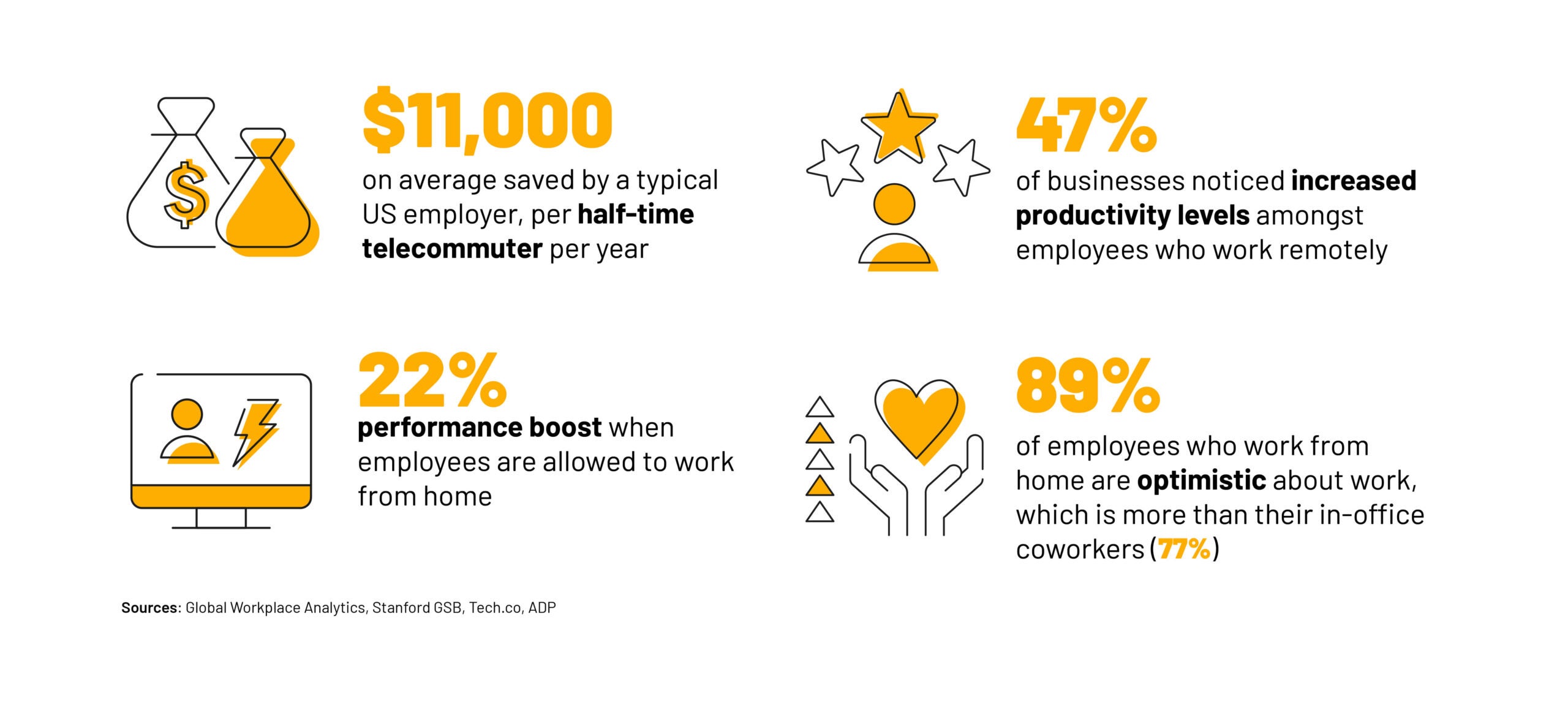
Frequently Asked Questions
How Can Remote Work Analytics Boost Productivity?
Remote work analytics provides insights into work patterns and efficiency. It helps identify peak productivity times and areas for improvement. By analyzing data, managers can tailor strategies to enhance performance and employee satisfaction. This leads to a more productive work environment, benefiting both individuals and teams.
What Metrics Are Important For Remote Work Productivity?
Important metrics include task completion rates, communication frequency, and software usage. These metrics help assess how effectively remote employees are working. Monitoring these aspects can identify strengths and weaknesses in work processes. This allows for targeted improvements and better productivity management.
Can Analytics Improve Employee Engagement In Remote Work?
Yes, analytics can identify trends that affect engagement, such as communication gaps and workload distribution. By addressing these issues, companies can enhance employee satisfaction and motivation. Engaged employees tend to be more productive, leading to better overall performance in remote work settings.
How Do Analytics Help In Managing Remote Teams?
Analytics provide data-driven insights into team performance and collaboration. They highlight areas where teams excel and where improvements are needed. Managers can use this information to optimize workflows and foster better team dynamics. This results in more efficient and effective remote team management.
Conclusion
Embracing remote work productivity analytics can enhance team efficiency. It offers valuable insights into work patterns. These insights help in identifying strengths and weaknesses. Teams can use this data to improve workflows. Better workflows lead to higher productivity. This approach ensures every team member contributes effectively.
Organizations benefit from improved communication and collaboration. Workers enjoy the flexibility and balance remote work provides. Analytics guide teams towards optimal performance. Companies can achieve goals more efficiently. Remote work, when measured effectively, becomes a powerful tool. Understanding and utilizing these analytics is key to success.
Read More:
- Reusable Rocket Innovation News: Revolutionizing Space Travel
- Neurotechnology Startups Funding: Unlocking Innovation Potential
- Best EV Charging Networks USA: Top Picks for 2025
- Snapdragon Vs Mediatek Comparison: Ultimate Processor Showdown
- Elon Musk Neuralink Update: Revolutionizing Brain Technology
- Edge Computing Trends 2025: Revolutionizing Tomorrow
- Over-Ear Vs In-Ear Headphones: Which is Best?
- Smart Thermostat Comparison: Ultimate Buyers Guide

