Imagine a world where your car takes you to work while you sip your morning coffee, catch up on emails, or even enjoy a podcast. Sounds intriguing, right?
As we steer toward the future, self-driving cars are transforming from a sci-fi dream into our daily reality. By 2025, these autonomous vehicles are set to redefine how you experience travel, promising not just convenience but also enhanced safety and efficiency.
Curious about what the road ahead looks like? Dive in to discover the latest trends that will shape your driving experience and redefine the automotive landscape. You won’t want to miss what’s coming next!
Technological Advancements
AI makes cars drive by themselves. AI systems learn from data. They help cars make safe choices. This means fewer accidents on the road. AI can read road signs and detect obstacles. It even knows when a car should stop or go. AI in cars is like having a smart friend in the driver’s seat.
Sensors are like the car’s eyes. They see the road and other cars. New sensors are better than old ones. They can see in the dark and through fog. This helps the car avoid crashes. Cars use cameras, radars, and lidars. These tools make driving safer and more reliable.
Cars talk to each other through connectivity features. This means cars can share information. For example, if there’s a traffic jam, cars know and change routes. Connectivity also helps with navigation. Cars can get updates on road conditions. This makes traveling easier and faster.
Market Growth
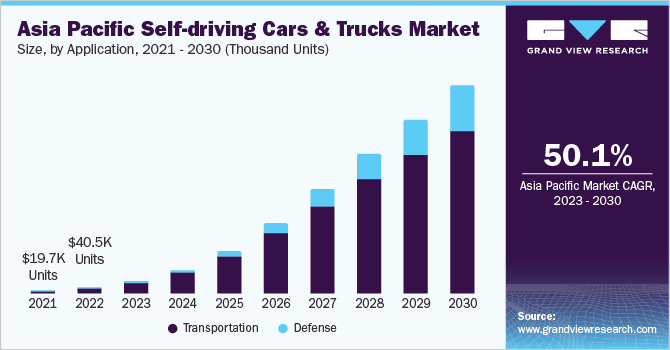
Self-driving cars will sell more in 2025. Experts predict millions of cars sold. Sales may double compared to 2023. People like the idea of cars that drive themselves. Prices may go down too. This can help more people buy.
Many people will try self-driving cars soon. Safety is a big reason. Some still feel unsure. But, easy use can help more people like them. Ads and test drives might help. Kids may even ride alone in the future.
Different places will see changes. Big cities might get self-driving cars first. Roads in cities fit these cars better. Some places will build special lanes. Other regions need more time. Rules and laws need to change too. Each place will go at its own pace.
Regulatory Challenges
Self-driving cars need strong safety standards. Engineers work to make cars safe. They test cars in different ways. This helps find problems. Fixing these problems is important. Safe cars protect people.
Governments set rules for self-driving cars. These rules are called policies. Policies can change over time. New rules may be needed soon. These rules help keep roads safe. Safe roads are important for everyone.
Self-driving cars bring new legal questions. Who is responsible in accidents? Laws must change to answer this. Legal implicationsare important to consider. Lawyers and lawmakers work on new laws. These laws help solve problems.
Impact On Transportation
Self-driving cars can change public transit. Buses and trains might use autonomous technology. This can make travel safer and faster. More people might use public transit then. Fewer cars on the road can reduce traffic jams.
Cities might change with self-driving cars. Parking spaces could become parks or homes. Roads might get smaller. Biking and walking paths might get bigger. Cities can become more friendly for people.
Self-driving cars might help the environment. They can use electric power instead of gas. This can make the air cleaner. Fewer cars on the road can mean less pollution. The world can become a healthier place.
Collaborations And Partnerships
Tech giantsare joining the self-driving car race. They bring strong technology skills. Companies like Google and Apple are leading. Their softwaremakes cars smart. It helps cars understand the road better.
Car companiesare teaming up. They share ideas and resources. This helps them build better self-driving cars. Toyota and Ford are examples. They work together to make safe cars. Their teams solve problems faster.
Different industries join forces. They create new solutions. Techand car companies work with cities. They plan roads for self-driving cars. This makes driving safer. It’s exciting to see new partnershipsforming.
Consumer Experience
Self-driving cars will have new screens. These screens will be very easy to use. Touch controls will be important. Voice commands will also be used a lot. People can talk to the car. The car will listen and respond. This makes things easy and fast. Kids can even use it!
Seats in these cars will be like cozy chairs at home. Seats will adjust automatically. People will be more comfortable on long drives. Temperature control will be smart. It will keep the car just right. No more hot or cold rides. Passengers will feel happy and relaxed.
Cars will remember what you like. They know your favorite music. They remember how you sit. Lights will change colors. They change to match your mood. Passengers can make the car their own space. Every ride will feel special and unique. This makes driving fun for everyone.
Frequently Asked Questions
What Are Key Self-driving Car Trends In 2025?
In 2025, key trends include AI advancements, improved safety features, and increased public acceptance. Self-driving cars will integrate better with smart city infrastructures, enhancing traffic flow. Electric vehicles will dominate, reducing emissions. Connectivity with IoT devices will improve navigation, offering a seamless driving experience.
How Will Ai Impact Self-driving Cars?
AI will revolutionize self-driving cars by enhancing decision-making and safety. Advanced machine learning algorithms will process vast data for real-time responses. AI will improve obstacle detection and navigation, reducing accidents. It will also personalize driving experiences, adapting to user preferences and driving habits.
Are Self-driving Cars Safe In 2025?
By 2025, self-driving cars will be safer with advanced sensors and AI. Enhanced algorithms will improve obstacle detection and response times. Regular software updates will ensure top-notch security. Collaborations with tech giants will boost reliability, making autonomous vehicles safer than human-driven cars.
Will Electric Self-driving Cars Dominate Roads?
Electric self-driving cars will likely dominate roads by 2025. They offer environmental benefits, reducing emissions significantly. Improvements in battery technology will extend range, making them more appealing. Governments will support electric vehicles with incentives, driving adoption and infrastructure development.
Conclusion
Self-driving cars will shape our future roads. Exciting advancements await by 2025. Safety features will improve. More companies will invest in this technology. Traffic will flow smoother. Environmental impact could lessen with electric models. Commuters will enjoy more free time.
Laws and regulations will evolve. Challenges still exist, but solutions are emerging. Public trust must grow. Technology will drive change, but human touch remains key. Stay informed. Embrace the future of self-driving vehicles.
Read More:
- Reusable Rocket Innovation News: Revolutionizing Space Travel
- Neurotechnology Startups Funding: Unlocking Innovation Potential
- Best EV Charging Networks USA: Top Picks for 2025
- Snapdragon Vs Mediatek Comparison: Ultimate Processor Showdown
- Elon Musk Neuralink Update: Revolutionizing Brain Technology
- Remote Work Productivity Analytics: Boost Efficiency Now
- Edge Computing Trends 2025: Revolutionizing Tomorrow
- Over-Ear Vs In-Ear Headphones: Which is Best?